
Can Two Matching Roofs Wear Out Years Apart?
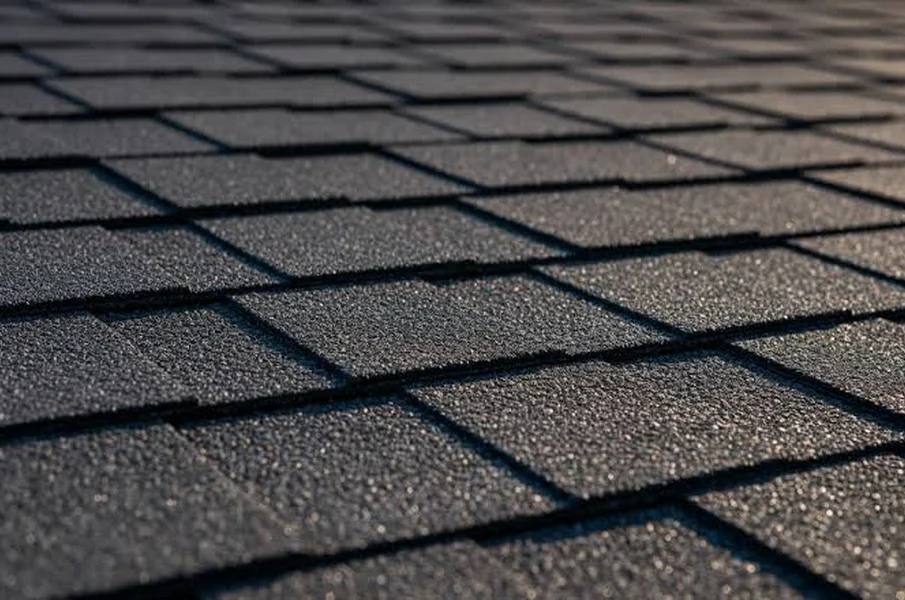
Picture two houses on one street, built by the same developer in the same summer with the same brown architectural shingles. Twenty years later, one roof still lies flat and tight. The other is curling at the edges, dumping granules into the gutters and leaving a tea colored stain on a bedroom ceiling.
The owner of that second house usually blames a bad batch of shingles. Sometimes that really is the reason. Far more often, the gap comes from a pile of small factors nobody thought about on install day, such as which way the roof faces, what grows above it and how the attic underneath it breathes.
Crews at SRD Roofing spend much of their time on repairs, reroofing and new construction roofs, and the question of why one roof gave out early comes up on a lot of those jobs. The honest answer is that a roof’s lifespan gets decided by a long chain of details. Some are tiny. A few are enormous. Working through them from smallest to biggest explains most cases of “identical” roofs aging at different speeds.
Little Things That Start the Clock
The smallest variables are the ones you can’t see from the curb. Every asphalt shingle has a strip of factory sealant on its underside that bonds to the shingle below once the sun warms it. On a roof installed during a hot month, that bond forms within days. On one installed in late fall, it may not fully set until spring, and a windy winter can lift and crease the tabs before they ever stick. A creased shingle never lies down properly again.
Then there’s the starter strip along the eaves and the drip edge metal around the roof’s border. Leave out the starter strip, or use cut shingles laid the wrong way, and the bottom row has no sealant exactly where wind hits hardest. Skip the drip edge and water wicks back under the shingles and into the fascia board. Neither mistake shows up in year one. Both tend to appear around year eight or ten as rotted trim and missing edge shingles.
The Sun Plays Favorites
Orientation matters more than most people expect. In the Northern Hemisphere, south and west slopes absorb the strongest afternoon sun. Asphalt on those faces dries out, loses its oils and turns brittle faster. Roofers regularly find the south slope worn to the mat while the north slope still looks respectable.
Color stacks on top of that. Dark shingles soak up more heat than lighter ones. A literature review covered by Green Building Advisor found that shingle color and geographic location influence shingle temperature more than attic ventilation does. So a charcoal roof on a sunny, west facing lot is fighting a harder battle from its very first afternoon.
What Hangs Over the Roof
Trees cut both ways. Shade lowers heat stress, which helps the shingles. Shade also keeps the surface damp for hours after rain and morning dew, and that lingering moisture is exactly where moss, algae and lichen take hold. Moss pushes up shingle edges and holds water against the mat like a sponge.
Branches that brush the roof in wind behave like sandpaper, scrubbing away the granules that protect asphalt from UV. Needles and leaves pile up in valleys and behind chimneys, forming small dams that push water sideways under the shingles. The house next door with an open yard may never face any of this.
Every Hole Is a Weak Spot
A plain, uninterrupted slope rarely leaks. Trouble collects wherever the roof surface gets broken up, and each of those spots depends on flashing or seals that need to outlast the shingles around them. The usual suspects on a typical home include
- valleys, where two slopes meet and channel a concentrated stream of water
- chimneys, which need step flashing and counter flashing properly tied into the masonry
- plumbing vents sealed with rubber boots
- skylights, dormer sidewalls and old satellite dish mounts
- the lower edge, where clogged gutters let water back up under the first course
Those rubber pipe boots deserve their own mention. They’re cheap, they sit in full sun and many crack within ten to fifteen years. That means a roof sold as a 25 year system can leak at year twelve with every shingle still in decent shape.
In snowy regions, add ice dams. Heat escaping the living space melts snow up high, the water refreezes at the cold eave and the ice ridge backs meltwater under the shingles.
The Attic Has Its Own Say
Ventilation’s effect on shingle temperature appears smaller than the industry once claimed. Its effect on moisture is another story.
Warm, humid air from showers, cooking and bath fans that dump into the attic instead of outdoors will condense on the underside of a cold roof deck all winter. Year after year, that moisture rusts nail tips, delaminates plywood and OSB and lets the deck sag between rafters. Shingles fastened to a soft, wavy deck lose their grip and wear unevenly. Missing insulation and leaky recessed lights feed the problem, and since few homeowners climb up there, the first clue is often a ceiling stain that appears long after the damage began.
Workmanship Outweighs Everything Else
If there’s one factor that decides the outcome more than any other, it’s how the roof went on.
Where the nails land
Every shingle manufacturer marks a nailing zone. Nails driven above it often miss the shingle underneath, which cuts holding power and invites wind to peel courses off in a storm. Overdriven nails tear through the mat. Underdriven nails stand proud and eventually punch up through the shingle above. None of it is visible from the ground.
What’s hiding underneath
Underlayment quality, whether an ice and water membrane was run along the eaves and valleys and whether the old shingles were torn off or simply covered with a second layer all shape how long a roof lasts. An overlay holds extra heat, hides any rot in the deck and often lies bumpy over the old surface. Manufacturer warranties also tend to depend on correct installation, so poor nailing can void the protection a homeowner thinks they bought.
Reading Your Roof Against the One Next Door
If your roof seems to be aging faster than the neighbor’s, the shingles themselves are usually the last place to point. Walk the yard and compare the sunniest slope with the shadiest one. Look at the pipe boots and the valleys from the ground with a pair of binoculars. Go into the attic on a cold morning and check the underside of the deck for frost, darkened wood or rusty nail points.
A proper inspection can usually trace early wear back to one or two of the causes above, and that’s the valuable part. Replacing a tired roof without fixing a bath fan that vents into the attic, a branch that rakes the shingles or a valley that clogs every fall only resets the clock on the same problem. Fix the cause along with the covering, and the next roof on that street has a real chance to be the one that outlasts its twin.


