
Benefits of Switching to Energy-Efficient Heat Pump Systems at Home
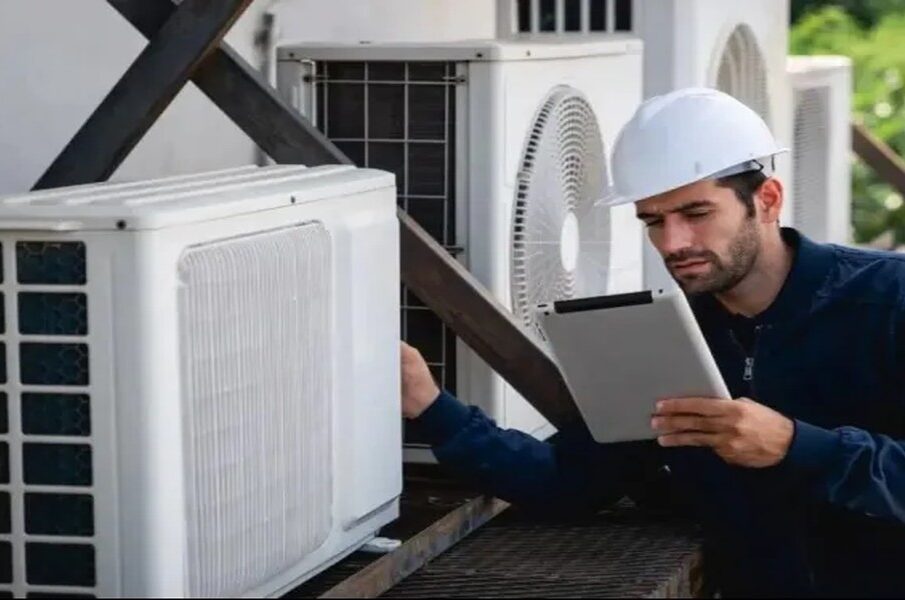
Rising energy costs and increasing awareness of sustainable living have led many homeowners to rethink how they heat and cool their homes. Traditional systems often consume more energy than necessary, resulting in higher bills and inconsistent comfort throughout the year.
This is where modern solutions like heat pump installation services are gaining attention. These systems offer an efficient way to manage indoor temperatures while reducing energy consumption, making them a practical option for households looking to improve both comfort and long-term savings.
What Is an Energy-Efficient Heat Pump System?
A heat pump is a system that transfers heat rather than generating it. In colder months, it extracts heat from the outside air and moves it indoors. During warmer months, it works in reverse, removing heat from inside your home to keep it cool.
Because heat pumps rely on transferring heat instead of producing it, they use significantly less energy than conventional heating systems. This makes them an efficient and versatile solution for year-round climate control.
Lower Energy Bills and Long-Term Savings
One of the main reasons homeowners consider switching to heat pumps is the potential for lower energy costs. These systems operate more efficiently than traditional boilers or electric heaters, which often consume more power to produce heat.
Over time, the reduction in energy use can lead to noticeable savings on monthly utility bills. While the initial installation may require an upfront investment, the long-term financial benefits often outweigh the cost.
How Efficiency Impacts Monthly Expenses
Energy-efficient systems reduce the amount of electricity needed to maintain comfortable indoor temperatures. This means your heating and cooling system does not have to work as hard, especially during peak seasons. As a result, homeowners can enjoy a more predictable and manageable energy bill.
Improved Indoor Comfort Throughout the Year
Heat pumps are designed to provide consistent temperature control. Unlike older systems that may cause uneven heating or cooling, heat pumps maintain a stable indoor climate across different rooms.
They also improve airflow and help regulate humidity levels. This creates a more comfortable living environment, particularly during extreme weather conditions.
Another advantage is their quiet operation. Compared to traditional systems, heat pumps produce less noise, which enhances overall comfort within the home.
Environmentally Friendly Heating and Cooling
As more households aim to reduce their environmental impact, heat pumps offer a practical solution. Since they consume less energy, they also produce fewer carbon emissions compared to conventional heating systems.
Using a heat pump can contribute to a more sustainable lifestyle without requiring major changes to daily routines. It is a step towards reducing energy waste while maintaining modern living standards.
Versatility for Different Home Types
Heat pumps are suitable for a wide range of properties, from small flats to larger family homes. They can be integrated into new builds or installed as part of a home renovation project.
Their flexibility makes them an appealing choice for homeowners who want an adaptable system that works in different climates and living conditions. Whether you are upgrading an older system or planning a new installation, heat pumps can be tailored to suit your needs.
Reduced Maintenance and Longer Lifespan
Another key benefit of heat pumps is their relatively low maintenance requirement. With fewer mechanical components than some traditional systems, there is less wear and tear over time.
Regular servicing is still important, but overall maintenance tends to be simpler and more cost-effective. When properly maintained, heat pumps can last for many years, offering reliable performance throughout their lifespan.
When to Consider Switching to a Heat Pump
Deciding when to upgrade your heating and cooling system can make a significant difference in both comfort and efficiency. There are several signs that it may be time to consider switching.
- Rising energy bills without increased usage
- Frequent system repairs or breakdowns
- Inconsistent indoor temperatures
- An ageing or outdated heating system
Key Factors Before Installation
Before installing a heat pump, it is important to assess a few key factors:
- Home insulation: Proper insulation ensures the system operates efficiently
- Correct sizing: A system that is too large or too small can reduce performance
- Professional assessment: Expert evaluation helps determine the best solution for your home
Taking these steps ensures that the system delivers the expected benefits and operates effectively over time.
Conclusion
Energy-efficient heat pump systems offer a practical and reliable way to improve home comfort while reducing energy consumption. From lowering monthly bills to providing consistent temperature control, they address many of the common challenges associated with traditional heating and cooling systems.
As more homeowners look for sustainable and cost-effective solutions, heat pumps continue to stand out as a smart long-term investment. By understanding their benefits and choosing the right system, it becomes easier to create a comfortable and energy-efficient home environment.


