
What Makes Full-Spectrum Infrared Sauna Kits Different From Traditional Designs
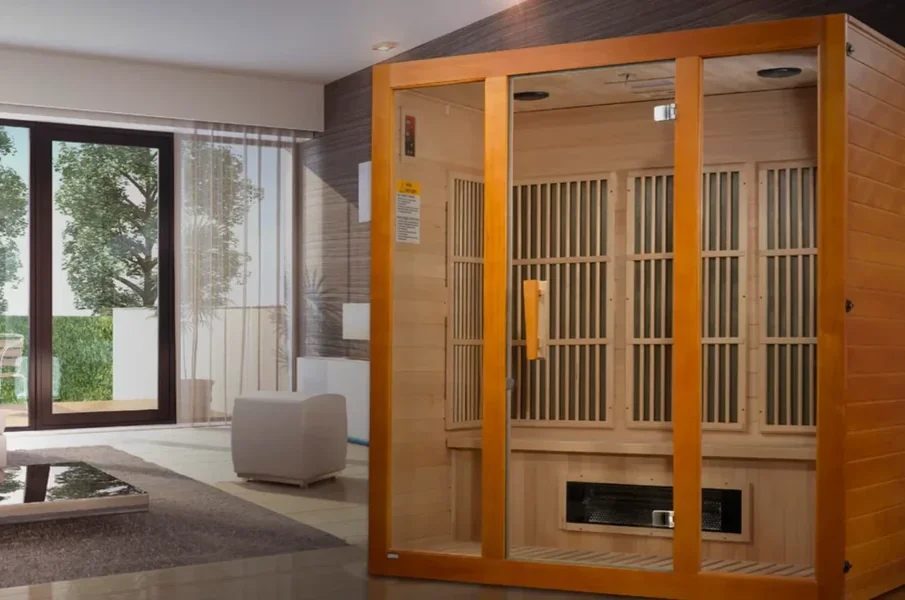
Heat behaves differently in an infrared cabin. Traditional saunas heat surrounding air before warming the body. Full-spectrum designs direct radiant energy toward the person. For compact homes, an infrared sauna kit can combine several infrared ranges. Near, mid, and far infrared create distinct warmth characteristics. Construction, controls, energy use, and comfort also differ. Those details shape the experience beyond temperature alone.
Traditional Saunas Create Heat Through Air
Traditional sauna rooms depend on heated air for warmth. An electric heater warms stones and surrounding air. Higher temperatures then create the familiar sauna environment. Water can produce short bursts of humid heat. Room insulation becomes important for retaining warmth effectively.
Infrared cabins use radiant emitters instead of heated stones. Lower cabin temperatures can still create noticeable body warmth. That difference changes both comfort and room requirements.
Full-Spectrum Technology Uses Three Wavelengths
Full-spectrum designs combine near, mid, and far infrared. Each wavelength occupies a different portion of infrared energy. Near infrared produces a more surface-focused warming sensation. Mid infrared offers deeper-feeling radiant warmth during sessions. Far infrared creates broad, gentle heat across the cabin.
The combination gives the infrared sauna kit greater wavelength variety. Users can therefore experience different warmth characteristics from one cabin.
Why Does Emitter Placement Matter?
Emitter position affects how warmth reaches the body. Front, rear, and side panels create different coverage patterns. Poor positioning can leave certain areas noticeably cooler. Thoughtful placement creates a more balanced session experience.
Useful features include:
- Adjustable controls allow personal temperature preferences.
- Interior lighting improves visibility during evening sessions.
- Timers make session length easier to manage.
- Door construction can reduce unwanted heat loss.
Installation Looks Different At Home
Traditional sauna rooms often involve permanent construction work. Electrical planning, ventilation, insulation, and wall materials require careful consideration. Infrared cabins can use modular panels assembled in suitable rooms. Smaller footprints make placement easier in residential settings.
Before purchasing, homeowners should check several practical details:
- Measure doorways before ordering large cabin panels.
- Confirm electrical requirements with household circuit capacity.
- Allow clearance around controls and electrical connections.
Which Sauna Design Suits Different Homes?
A traditional sauna can suit spacious properties with dedicated rooms. Infrared cabins can work better where floor space remains limited. Personal heat preferences should influence the final choice. Session style matters too, especially for frequent home use.
For example, an apartment owner may prefer compact construction. A homeowner with extra space might choose permanent installation.
Full-Spectrum Features Change Everyday Use
Multiple infrared ranges create greater flexibility during sessions. Temperature controls can also make adjustments more convenient. Cabin size affects seating comfort and installation requirements. Material quality influences durability, odor, and interior feel.
These details matter because home equipment sees repeated use. A technically impressive cabin still needs practical controls. Easy operation can determine whether equipment becomes genuinely useful.
The Design Difference Becomes Practical
The real distinction emerges through everyday use at home. Radiant emitters, wavelength variety, compact construction, and controls change session planning. Traditional sauna rooms remain valuable for intense ambient heat experiences. Full-spectrum cabins offer another route for residential spaces. Emitter placement may matter more than impressive specifications alone.


