
Heat Pumps and Old Boilers Can Split a Connecticut Winter
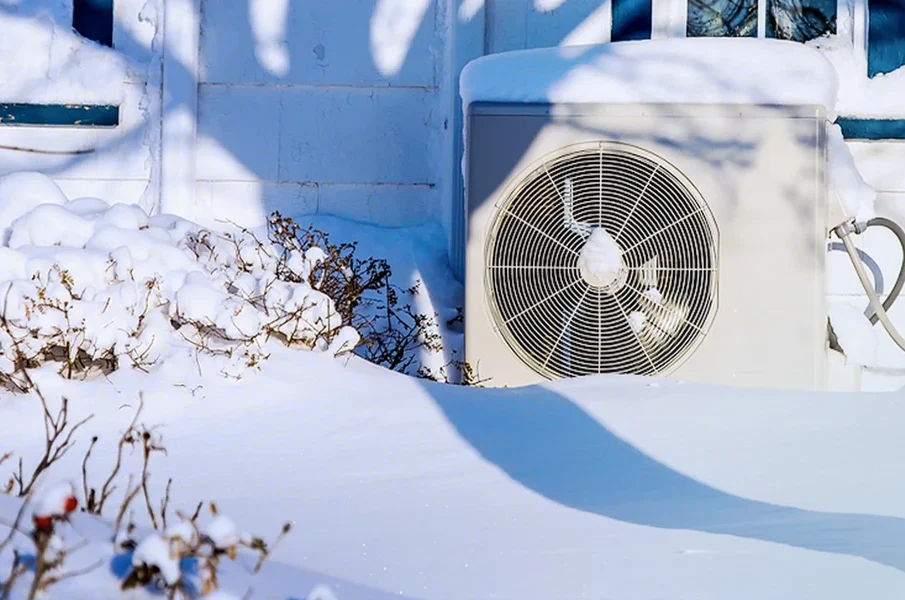
Plenty of Connecticut houses still run on the same oil or gas boiler that warmed them two decades ago. Ripping it out feels drastic, yet relying on it alone means paying fuel prices from October through April. More homeowners are now landing somewhere in the middle. They add a cold climate heat pump and let the old boiler handle only the harshest stretch of winter.
This shared arrangement is usually called a hybrid or dual fuel setup, and it fits the state’s older housing stock well. A good first step is asking a local HVAC team such as Express Home Services LLC, a family owned contractor based in New Britain that installs Mitsubishi Electric ductless systems and heat pumps across Connecticut, whether your existing equipment can stay in the picture. The honest answer depends less on the age of the boiler and more on the house wrapped around it.
The logic behind the pairing is simple. A heat pump moves heat rather than burning fuel, so it runs cheapest when outdoor air is mild. A boiler burns fuel at roughly the same efficiency whether it is 45 degrees outside or 5 below. Put them together, and each machine works the part of the season it handles best.
How a Connecticut Winter Divides Between Two Machines
Think of the heating season as three bands of weather rather than one long cold spell.
Shoulder weeks. October, much of November, and the stretch from late March into April bring days above 40°F. A heat pump is at its most efficient here, often delivering three or more units of heat for every unit of electricity it uses. The boiler can sit idle for weeks.
Ordinary winter. Typical January days in central Connecticut swing between the teens and the mid 30s. Modern cold climate units still carry the load comfortably in this range, which covers most of the season.
Deep freeze. A handful of nights dip into single digits or below. This is where the boiler earns its keep, either taking over completely or topping up what the heat pump delivers.
Not every heat pump belongs in this conversation. The cold climate criteria published by ENERGY STAR require a qualifying unit to keep at least 70 percent of its heating capacity at 5°F and to stay efficient at that temperature. Units without that rating fade early and push more of the winter back onto the boiler.
Finding the Switchover Point
Every hybrid system needs a handoff temperature, the outdoor reading at which the controls stop calling the heat pump and start calling the boiler. There are really two versions of this number.
The first is a comfort limit, where the heat pump can no longer keep up with heat escaping through walls, windows and the attic. The second is a cost limit. Electricity in Connecticut is expensive, and heating oil and natural gas prices move around every year. At some outdoor temperature, burning fuel becomes cheaper per unit of heat than running the compressor. A technician can work out that point by comparing your price per kilowatt hour with your price per gallon or therm.
Whichever limit arrives first becomes the switchover. It is worth revisiting each fall, because a jump in fuel prices or a new utility rate can shift it by several degrees.
Radiator Homes Without Ductwork
A large share of Connecticut homes heat with hot water baseboard or cast iron radiators and have no ducts at all. That used to rule out central heat pumps. Ductless mini splits changed the math.
In a typical setup, one or two wall or ceiling heads cover the open living areas where the family spends most of its time. The boiler keeps feeding baseboard loops in bedrooms, bathrooms and the basement. On mild days the mini splits handle almost everything. On frigid ones the radiators add their share.
Houses with a furnace and ducts follow a different route. A heat pump coil sits on top of the furnace, both machines share the same blower, and a single dual fuel thermostat decides which one runs.
Before committing to either layout, a few details deserve a close look:
- Whether the boiler also makes hot water for faucets and showers through an indirect tank, which keeps it in service year round no matter what
- Where an outdoor unit can sit above typical snow depth and away from roof edges that drip and refreeze
- Whether the electrical panel has spare capacity for a new circuit
- How leaky the attic and older windows are, since a tighter house lowers the switchover temperature
Controls Make or Break the Pairing
The most common complaint about hybrid systems has nothing to do with equipment. It comes from two thermostats fighting each other. If the boiler thermostat is set a degree higher than the heat pump, the boiler ends up doing most of the work and the expected savings never appear.
Integrated controls with an outdoor sensor solve this by letting one brain choose the heat source. Habits matter too. Heat pumps prefer steady settings, and deep overnight setbacks can force the boiler on at 6 a.m. during recovery.
What Happens to the Old Oil Tank
When a heat pump carries most of the season, oil use can drop sharply. That leaves the tank sitting partly full for months, which invites condensation and sludge. An annual look at the tank, its legs and its fuel line becomes more important rather than less.
Tank location matters as well. Connecticut DEEP’s guidance on residential heating oil tanks favors aboveground tanks because leaks are easier to catch early, and it explains that a leaking residential tank must be emptied and removed promptly. Anyone removing a buried tank down the road will also need a soil sample under the tank and piping, and the resulting report is something future buyers tend to ask about.
Living With a Hybrid Year After Year
The same heat pump that trims winter fuel bills also cools the house in July, often letting families retire noisy window units for good.
Over time, many households treat the hybrid as a bridge rather than a final destination. They tighten the attic, upgrade a few windows and watch how small the boiler’s role becomes. When the old unit finally reaches the end of its life, they already have a clear record of how much backup heat the house truly needs, and that makes the next decision far easier than guessing in the middle of a January cold snap.


