
Is Your Furnace Failing Before or After It Lights?
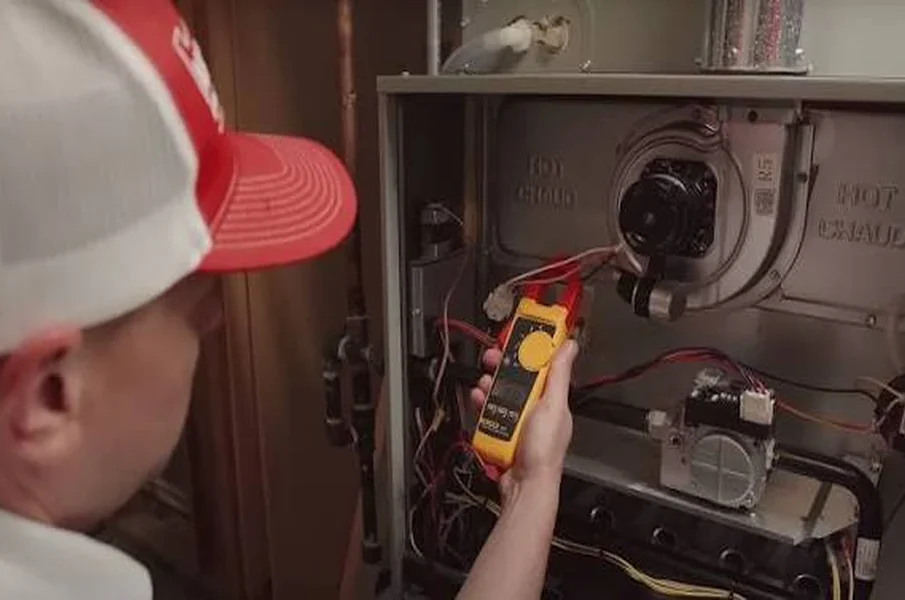
Click. A short pause. Then a whir from somewhere inside the cabinet, a faint glow, the soft whump of burners catching, and about a minute later warm air at the registers. A gas furnace runs that same routine every time the thermostat asks for heat, and it runs it in a strict order. Each step has to prove itself before the control board allows the next one.
That order is the most useful thing a homeowner can understand about a furnace that stops working. When the heat fails, it fails at a specific point in the routine, and where it stops says a great deal about what broke, how urgent it is, and whether the fix is a five minute job or a bigger conversation.
For anyone who would rather hand the diagnosis to someone local, Littleton hvac repair is available from a locally owned shop on West Calhoun Drive that answers calls on weekdays between 9 and 5. Reviewers there keep naming Shane, the technician behind thermostat fixes, furnace and AC replacements, and at least one rescue of a failed boiler swapped for a tankless combination unit.
The Routine Your Furnace Runs Every Time
Most gas furnaces installed in the last twenty years follow roughly this order.
- The thermostat closes a circuit and calls for heat.
- The control board starts the inducer motor, a small fan that clears old gases out of the heat exchanger and vent pipe.
- A pressure switch confirms the inducer has created proper draft.
- The igniter heats until it glows, usually for fifteen to thirty seconds.
- The gas valve opens and the burners light.
- A flame sensor confirms fire within a few seconds.
- The main blower starts after a short delay and pushes heated air through the ducts.
- Limit and rollout switches watch temperatures for the rest of the cycle.
If any check fails, the board shuts things down and usually tries again. After a few failed attempts it locks out, often for an hour, before retrying on its own.
Before the Flame Ever Appears
A furnace that hums, clicks or does nothing at all, with no glow and no burner sound, is failing in the early checks. These are often the cheapest problems to fix.
The thermostat is the first suspect. Dead batteries, a setting knocked to cool, or a schedule that never got updated after the time change account for a surprising number of no heat calls. Next comes the furnace itself. A cover panel that isn’t seated pushes a door safety switch open and the board won’t start. A tripped breaker or a light switch style service switch flipped off by mistake will do the same.
High efficiency furnaces add a twist. They produce condensate water, and if the drain line or trap clogs, a float switch can stop the system or the pressure switch can refuse to close. Along the Front Range, the white PVC intake and exhaust pipes on the side of the house can also choke on drifted snow or frost during a cold snap. A furnace that quits in the middle of a storm often just needs those pipes cleared.
When the inducer runs but nothing lights, the pressure switch or the igniter is usually responsible. Pressure switches fail from cracked rubber hoses, water in the sensing port or a partly blocked vent. Igniters crack with age, and the older silicon carbide style is fragile enough that a bump while changing a filter can break it.
The Moment of Ignition
One pattern stands out above the rest. The burners light, run for three to ten seconds, then shut off, and the whole routine starts over. That is almost always the flame sensor.
The sensor is a thin metal rod sitting in the flame. It proves fire by passing a tiny electrical current through it, measured in millionths of an amp. A light coating of oxide or dust is enough to weaken that signal, so the board decides the flame is gone and closes the gas valve as a precaution. Cleaning the rod with fine abrasive pad is a common fix, though a sensor that keeps fouling hints at something else, such as poor grounding or air quality issues around the furnace.
Gas valves fail less often, but they do fail. If the igniter glows bright and no gas ever reaches the burners, the valve or its wiring becomes the focus, and that work belongs to a licensed technician.
After It Lights and Something Still Goes Wrong
A furnace can light perfectly and still let the house go cold. If burners run but the blower never kicks on, the blower motor, its capacitor or the board’s relay may be at fault, and the high limit switch will soon shut the burners down to protect the heat exchanger from overheating. A clogged filter or a house full of closed registers can trip that limit too, which leads to short runs and lukewarm air.
The rollout switch deserves more respect than the rest. It trips when flames curl out of the burner area instead of drawing up through the heat exchanger. That can mean a blocked flue, but it can also point to a cracked heat exchanger, the kind of failure that lets carbon monoxide into living space. Resetting a rollout switch over and over to keep the heat on is a genuinely risky habit. Working CO alarms matter here as well, and University of Nebraska-Lincoln Extension guidance on combustion pollutants recommends placing one in the hallway near each sleeping area and another on every level of the home.
What Altitude Quietly Changes
Littleton sits above 5,000 feet, and thinner air changes how a furnace burns. Gas furnaces are generally derated at elevation, commonly by about 4 percent of input for every 1,000 feet above 2,000 feet, through smaller burner orifices or adjusted gas pressure. Some models also need a high altitude pressure switch because the inducer can’t build as much draft in thin air.
A furnace moved from a sea level setup without those changes may run rich, soot up the burners, foul the flame sensor quickly and trip the pressure switch on cold mornings. When the same nuisance problems keep returning after repairs, it is worth checking whether the unit was ever set up correctly for the elevation.
Reading the Clues Before Making the Call
Most furnace control boards carry a small LED that blinks a code, and the chart explaining it is usually printed inside the cover panel. Note the blink pattern through the sight glass before switching the power off, since cutting power often erases the stored fault. Telling the technician “three blinks, pressure switch” saves real time on the visit.
A homeowner can safely check the thermostat, replace the filter, make sure the panel is seated, confirm the breaker and service switch are on, and clear snow from the vent pipes. Anything involving the gas valve, burners, heat exchanger or wiring inside the cabinet is better left to someone with combustion analysis tools and a license to work on gas appliances.
The same step by step thinking works on air conditioners in July, where a humming outdoor unit with a still fan usually points to a capacitor or contactor. Whatever the season, a system that fails in order can be understood in order, and knowing which step went wrong turns a cold, anxious evening into a much shorter and calmer repair.


